
Understanding Return on Investment (ROI) Return on Investment (ROI) is a critical performance metric used to evaluate the efficiency and profitability of an investment relative to its cost. In the context of marketing strategies, particularly when comparing Search Engine Optimization (SEO) and paid advertising, understanding ROI helps businesses make informed decisions that align with their financial goals. Essentially, ROI calculates the return generated from marketing expenditures, allowing businesses to determine which strategies yield the best financial outcomes. To calculate ROI, businesses typically use the formula: ROI = (Net Profit / Cost of Investment) x 100. This formula is crucial in providing a percentage that reflects the profitability of investment in a specific marketing channel. By understanding this metric, business owners can better assess whether their spending on SEO or paid advertising produces substantial financial returns, which can be pivotal in budget allocation decisions. Moreover, an effective ROI measurement enables businesses to compare not only the immediate gains from paid advertising campaigns but also the long-term benefits of SEO. While paid advertising can deliver rapid results through increased website traffic and sales, SEO often requires patience as it builds organic traffic over time. Understanding how to measure and interpret ROI from both channels empowers businesses to choose a strategy or a combination of both that best suits their objectives and resources. In this blog post, we will delve deeper into the ROI of SEO versus paid advertising, providing Sri Lankan businesses with insights on how they can leverage both marketing approaches effectively to achieve sustainable growth and maximize their returns on investment. Understanding SEO: Basics and Benefits Search Engine Optimization (SEO) is a digital marketing strategy aimed at enhancing a website’s visibility on search engines such as Google. By optimizing various elements of a website, businesses can improve their chances of ranking higher in organic search results. This process involves a range of techniques, including keyword research, on-page optimization, content creation, and backlink development, all of which contribute to a website’s overall authority and relevance. The fundamental principles of SEO revolve around understanding both user behavior and search engine algorithms. Search engines strive to deliver the most relevant results to user queries, making it crucial for businesses to align their web content with the interests and intentions of their target audience. By focusing on relevant keywords and providing high-quality content that answers users’ questions, businesses can establish themselves as authoritative sources in their respective fields. One of the key benefits of SEO is its potential for generating sustainable growth and visibility over time. Unlike paid advertising, which typically yields quick results but ends once the budget is exhausted, SEO efforts can lead to lasting organic rankings. Once a website achieves a favorable position in search results, it can continue to attract traffic without incurring continuous expenses. For Sri Lankan businesses, investing in SEO can yield long-term benefits, including increased website traffic, brand recognition, and enhanced customer trust. Furthermore, SEO can be a cost-effective approach compared to paid advertising. While it may require an initial investment of time and resources, the gradual accumulation of organic traffic can significantly reduce the cost per acquisition over time. This ongoing traffic stream not only supports a business’s bottom line but also fosters greater engagement with potential customers, ultimately leading to higher conversion rates. Paid Advertising Explained Paid advertising is a crucial strategy for businesses looking to gain immediate visibility and drive traffic to their products or services. This method encompasses various formats, primarily focusing on pay-per-click (PPC) and social media ads. By leveraging these channels, companies can ensure their promotions reach a specifically targeted audience, potentially resulting in quicker returns on investment. PPC advertising operates on a model where advertisers pay each time a user clicks on their ad. Notable platforms like Google Ads allow businesses to create ads that appear on search engine results pages, effectively placing them directly in front of decision-making consumers. This can significantly boost website traffic, as ads can be optimized to display only to those searching for terms related to the business’s offerings. Social media advertising serves as another critical element of paid strategies. Platforms such as Facebook, Instagram, and LinkedIn provide businesses with the opportunity to reach vast audiences based on user demographics, interests, and behaviors. Advertisers can create various formats, including photo ads, video ads, and carousel ads, to engage users and prompt interactions. With a well-crafted advertisement coupled with targeted strategies, companies can effectively increase brand awareness and achieve rapid customer acquisition. When utilizing paid advertising, businesses should carefully monitor metrics such as click-through rates (CTR), conversion rates, and customer acquisition costs. These metrics are essential for calculating the ROI of each campaign. Moreover, because paid advertising can yield more immediate results compared to organic strategies, it allows companies to test different approaches and optimize their advertisements based on performance. In conclusion, paid advertising presents an effective avenue for Sri Lankan businesses to enhance visibility in their respective markets. By understanding the types and mechanisms of paid ads, enterprises can better position themselves to make informed decisions that align with their marketing goals and budgetary considerations. Comparing the Costs: SEO vs. Paid Advertising When evaluating digital marketing strategies, one of the most critical considerations is the associated costs of Search Engine Optimization (SEO) versus paid advertising. Each strategy carries its own set of expenses, ranging from initial setup costs to ongoing maintenance and potential hidden fees. SEO is often perceived as a cost-effective long-term strategy. Initial investments typically involve hiring SEO professionals or agencies to perform keyword research, on-page and off-page optimization, and technical SEO adjustments—these costs can vary widely depending on the complexity of the project. Furthermore, while the upfront investment in SEO may seem significant, the ongoing expenses tend to decrease over time. Once a solid SEO foundation is established, businesses can benefit from organic traffic without bearing ad costs continuously. In contrast, paid advertising, such as pay-per-click (PPC) campaigns, requires a consistent budget allocation. The setup costs may appear lower, especially for
How AI is Changing SEO: What Sri Lankan Businesses Need to Know in 2025
Introduction to AI in SEO Artificial Intelligence (AI) refers to the simulation of human intelligence processes by machines, particularly computer systems. In recent years, AI has become increasingly relevant in various fields, among which Search Engine Optimization (SEO) stands out prominently. For businesses in Sri Lanka and beyond, grasping the implications of AI in SEO is essential for maintaining a competitive edge in a rapidly evolving digital landscape. AI technologies are now capable of analyzing vast amounts of data at unparalleled speeds, which significantly enhances the efficiency of SEO strategies. Through machine learning algorithms, AI systems can dissect user behavior patterns and preferences, leading to improved search result accuracy. This allows businesses to optimize their websites effectively to meet the specific needs and expectations of their target audience. Furthermore, AI can play a crucial role in content creation and curation. By assessing the intent behind search queries, AI helps marketers tailor content to resonate with users, ensuring that the material is not only relevant but also highly engaging. This capability goes beyond mere keyword optimization; it promotes a holistic approach to content strategy that captivates user interest and encourages interaction. As Sri Lankan businesses prepare for 2025, embracing AI in their SEO efforts is not just advisable but necessary. The competitive nature of online marketing means that lack of adaptation to such advancements may result in missed opportunities. Companies must recognize that AI integration can lead to better customer insights, increased visibility on search engines, and ultimately, higher conversion rates. By staying ahead of technological trends, Sri Lankan businesses can harness the power of AI to enhance their SEO strategies, making their online presence more impactful and successful. The Evolution of SEO Practices Search Engine Optimization (SEO) has undergone significant transformations since its inception in the early 1990s. Initially, SEO revolved around basic techniques such as keyword stuffing and acquiring backlinks. The primary goal was to manipulate search engine results through the excessive use of keywords in content, often leading to low-quality user experiences. This approach resulted in search engines displaying irrelevant content, degrading the overall effectiveness of online searches. With the development of smarter search algorithms, notably Google’s RankBrain launched in 2015, the SEO landscape began to shift dramatically. This machine learning algorithm marked a turning point, as it allowed Google to better understand user intent and query context. Rather than merely focusing on the quantity of keywords or backlinks, RankBrain emphasized the importance of relevance and user satisfaction. Consequently, businesses were compelled to reassess their SEO strategies, integrating high-quality content that fulfills user needs alongside effective keyword usage. As search engines became more advanced, SEO practices continued to evolve. The introduction of natural language processing (NLP) techniques enabled algorithms to analyze the semantics of phrases, further reducing the effectiveness of old methods such as keyword stuffing. This evolution placed greater emphasis on creating valuable content that contributes to a positive user experience. The rise of voice search and mobile optimization also necessitated adaptive strategies in SEO, pushing businesses to focus on optimizing content for different devices and user interfaces. Today, the synergy of AI technologies and dynamic algorithms reshapes the SEO landscape. Businesses in Sri Lanka and beyond must adeptly navigate these changes by developing innovative content strategies that engage users and satisfy the ever-changing criteria set by search engines. This continual evolution emphasizes the necessity for a forward-thinking approach to SEO in 2025 and beyond. Key AI Technologies Shaping SEO Artificial Intelligence (AI) is revolutionizing the field of Search Engine Optimization (SEO) by introducing a range of technologies that enhance the way businesses interact with search algorithms. Among these, Natural Language Processing (NLP) stands out as a pivotal technology. NLP enables machines to understand human language, allowing for more effective communication between users and search engines. It plays a critical role in analyzing the intent behind search queries, which, in turn, helps businesses craft content that resonates with their audience’s needs, ultimately leading to improved search rankings and user engagement. Another significant AI technology influencing SEO is predictive analytics. This technology utilizes historical data and advanced algorithms to forecast user behavior and trends. By examining past interactions, businesses can identify patterns that inform their content strategies and marketing efforts. For instance, predictive analysis can help determine which keywords are likely to gain traction in the future, allowing businesses to optimize their content proactively. This foresight not only enhances SEO efforts but also aligns brands with emerging trends, making them more competitive in the digital landscape. Furthermore, the algorithms that drive search engines have evolved significantly due to AI advancements. These algorithms now incorporate machine learning techniques that adapt based on user feedback and behavior. Search engines assess numerous factors, including user experience, engagement metrics, and content relevancy, to deliver more accurate and personalized search results. For Sri Lankan businesses, understanding these key AI technologies can be instrumental in designing effective SEO strategies. By leveraging NLP, predictive analytics, and advanced algorithms, businesses can enhance their online visibility, cater to user intent, and ultimately improve their search rankings. Benefits of AI for Sri Lankan Businesses In the dynamic landscape of today’s business environment, Sri Lankan enterprises have much to gain from incorporating Artificial Intelligence (AI) into their operations. One significant advantage of AI is its ability to enhance audience targeting. By utilizing AI-driven analytics, businesses can segment their audience more effectively, allowing for tailored marketing strategies that resonate with specific demographics. This personalized approach increases engagement and drives conversion rates, essential for any competitive business. Furthermore, AI contributes to increased efficiency in marketing strategies. Traditional methods may become cumbersome, often requiring significant time and resources. AI automates these processes, from email marketing to social media management, freeing up valuable human resources for other critical tasks. This efficiency not only streamlines operations but also reduces overall marketing costs. The power of AI in data analysis cannot be overlooked. Sri Lankan businesses can harness AI algorithms to process vast amounts of data quickly, uncovering trends and insights that would otherwise
Page Speed and Website Performance: Why Every Second Costs Sri Lankan Businesses Revenue
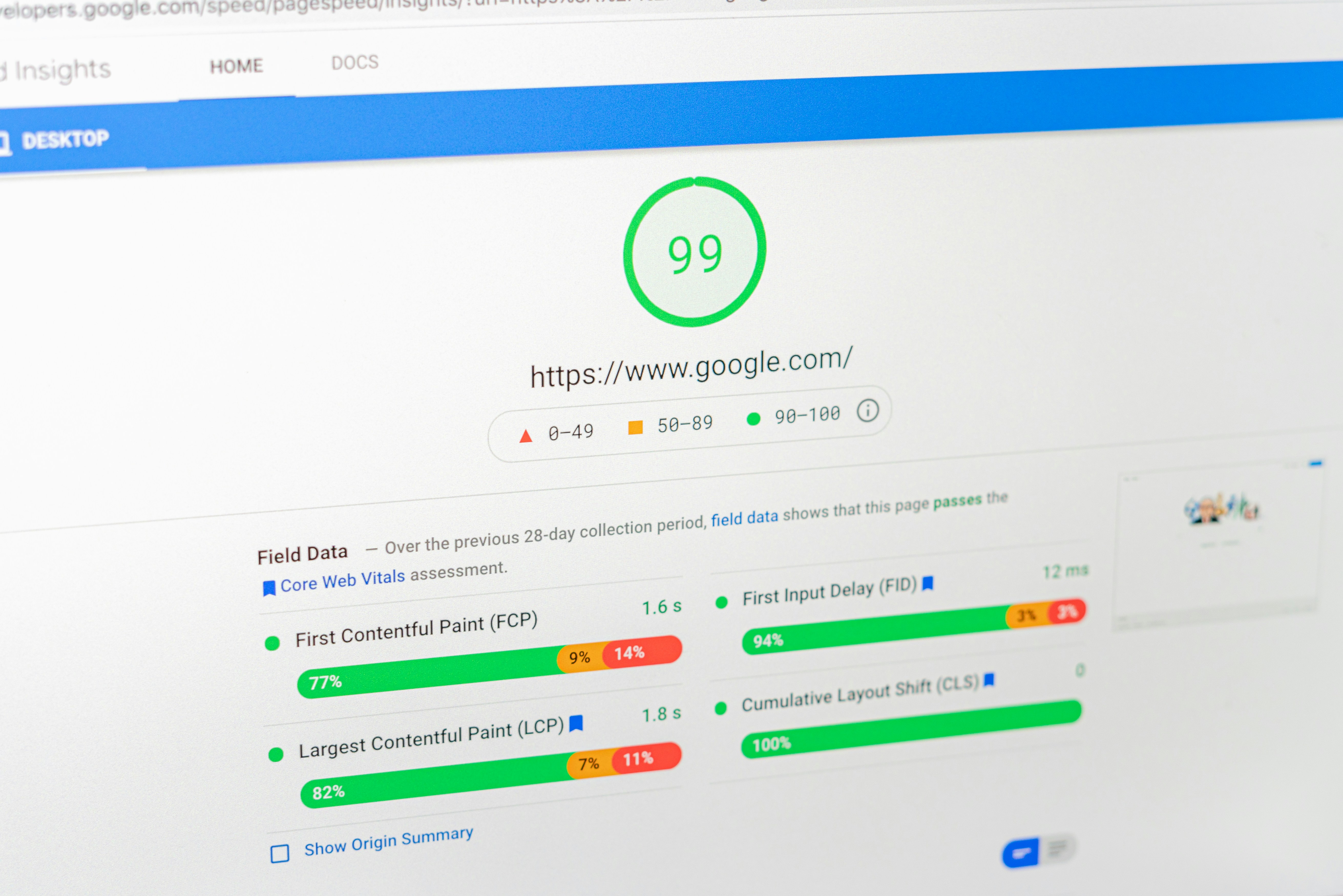
Introduction to Page Speed and Its Importance Page speed, often referred to as load time, is the measure of how quickly a web page displays its content to users. In the digital age, where attention spans are short, users expect immediate access to information. Therefore, understanding page speed and its significance in website performance is crucial for any business, especially for Sri Lankan enterprises aiming to thrive in a competitive online environment. The importance of page speed cannot be overstated, as it directly impacts user experience. Research indicates that even a one-second delay in load time can lead to increased bounce rates, meaning potential customers are likely to leave a site if it does not load quickly enough. This detrimental effect on user engagement can jeopardize customer satisfaction, which is vital for fostering loyalty and repeat business. Moreover, an array of studies has established a clear correlation between page speed and conversion rates. For Sri Lankan businesses that rely heavily on their online presence for sales and customer interaction, optimizing website speed can result in significant revenue increases. Faster websites not only enhance user satisfaction but also improve search engine rankings. Google, among other search engines, takes page speed into account when indexing websites, making it a key element of effective search engine optimization (SEO). Addressing page speed should be a priority for Sri Lankan businesses looking to optimize their websites. In a market where every second counts, investing in measures to enhance page speed can yield substantial dividends, both in user experience and business profitability. By understanding the significance of page speed, companies can take the necessary steps to ensure that they provide a fast, efficient, and pleasant browsing experience for their customers. Understanding the Metrics of Page Speed Page speed is a critical aspect of website performance that directly influences user experience and search engine optimization (SEO). Several key metrics are utilized to measure page speed, helping businesses understand how their websites perform under various conditions. Each of these metrics serves a distinct purpose and can significantly impact how users interact with a website. One of the primary metrics is Time to First Byte (TTFB), which measures the amount of time it takes for a user’s browser to receive the first byte of information from the server. A lower TTFB indicates a faster connection and a more responsive experience for users. This metric is especially important for Sri Lankan businesses seeking to optimize their sites for local traffic, as delays can result in potential customers leaving the site before it fully loads. Another vital metric is fully loaded time, which captures the total time taken for a page to completely display all of its content. This includes images, stylesheets, scripts, and other resources. Fully loaded time is crucial as it reflects the overall user experience; longer load times can lead to higher bounce rates, negatively impacting a site’s SEO rankings. In addition to these, First Contentful Paint (FCP) and First Input Delay (FID) are also essential metrics. FCP measures the time it takes for the first piece of content to be rendered on the screen, indicating how quickly users can begin to engage with the site. Meanwhile, FID measures the time between a user’s first interaction and the browser’s response, signifying the responsiveness of the site under user load. Understanding and optimizing these metrics is vital for ensuring that websites not only perform well but also retain visitors effectively. Impact of Page Speed on User Experience In the digital landscape, page speed is a crucial factor that directly influences user experience. A website that loads swiftly can significantly enhance visitor satisfaction, whereas slow-loading pages often lead to frustration and increased bounce rates. Studies highlight that 47% of users expect a webpage to load in two seconds or less, and a delay of just one second can result in a 7% reduction in conversions. This correlation exemplifies how critical page speed is to retaining users and driving engagement. For businesses in Sri Lanka, the impact of page speed on user experience is particularly relevant. As the number of internet users continues to rise, local businesses must ensure that their websites are optimized for speed. Research conducted on Sri Lankan websites has shown that those with faster loading times experience significantly lower bounce rates. Specifically, sites that load in under three seconds can reduce bounce rates by up to 30%, thereby allowing more users to navigate and engage with the content. This trend underscores the necessity for businesses to prioritize page speed in their digital strategies. Moreover, improved page speed not only enhances user satisfaction but also leads to higher retention rates. Users are more likely to return to a website that provides a seamless browsing experience. Case studies from successful Sri Lankan e-commerce websites demonstrate that by optimizing their page loading times, they have achieved notable increases in customer return rates and overall revenue. In essence, faster websites create an inviting atmosphere for users, which can convert casual visitors into loyal customers. As a result, page speed emerges as not just a technical metric, but a vital component in the business success equation. Consequences of Poor Page Speed on Revenue In the digital landscape, the speed at which a webpage loads can significantly influence a business’s profitability. For Sri Lankan businesses, where competition is steep, the implications of having a slow-loading website are particularly acute. A website that takes several seconds to load can deter potential customers, leading to a substantial loss in revenue. One of the immediate consequences of poor page speed is the increase in cart abandonment rates. Research has shown that nearly 70% of shoppers abandon their carts due to slow page loading times. This statistic underscores the critical need for Sri Lankan e-commerce platforms to ensure optimal performance. When users experience delays during the checkout process, their frustration mounts, often resulting in lost sales opportunities. Additionally, slow-loading sites negatively impact search engine rankings. Google, for example, prioritizes fast-loading websites in its search results. As
The Beginner’s Guide to SEO for Sri Lankan Small Businesses
Introduction to SEO Search Engine Optimization, commonly referred to as SEO, is an essential digital marketing strategy that focuses on enhancing a website’s visibility on search engines like Google. For small businesses in Sri Lanka, mastering SEO can be transformative, allowing them to compete effectively in an increasingly digital marketplace. By optimizing their websites for search engines, local businesses can attract a steady stream of potential customers who are actively searching for their products or services. One of the primary goals of SEO is to increase organic search traffic, which refers to visitors that come to a website through unpaid search results. This contrasts with paid search results, where businesses pay to have their ads displayed prominently. While both strategies can yield significant returns, organic search optimization often leads to higher credibility and sustainable long-term results for small businesses. Effective SEO encompasses a variety of techniques and practices aimed at improving a website’s ranking within search engine results pages (SERPs). These can include keyword research, content creation, on-page optimization, and link building, among others. For small businesses in Sri Lanka, localized SEO strategies are particularly important. By incorporating region-specific keywords and creating content that resonates with local audiences, businesses can enhance their chances of appearing in searches conducted by nearby consumers. Furthermore, a well-implemented SEO strategy can lead to numerous benefits beyond just increased traffic. By improving visibility, small businesses can enhance brand awareness, establish authority in their niche, and ultimately drive sales. In a competitive environment, SEO serves as a powerful tool that not only simplifies the customer journey but also builds meaningful connections between businesses and their audience. Understanding Keywords and Their Importance Keywords are central to the practice of Search Engine Optimization (SEO) and serve as the critical link between what users are searching for and the content that businesses provide. Essentially, keywords are specific words or phrases that potential customers enter into search engines when looking for information, products, or services. The effective utilization of keywords can significantly enhance a small business’s online presence, driving traffic to its website and ultimately leading to increased sales. There are two primary types of keywords that businesses should be aware of: short-tail and long-tail keywords. Short-tail keywords are typically one or two words long, such as “shoes” or “restaurants”. While they have high search volumes, they are also characterized by fierce competition. In contrast, long-tail keywords consist of three or more words, such as “best Italian restaurant in Colombo”. Although these phrases generate lower search traffic, they are often less competitive and can lead to higher conversion rates as they specifically target niche markets. The importance of keyword research cannot be overstated. Conducting effective keyword research helps businesses understand their customers’ search behavior and the language they use. Several tools are available to assist in this process, such as Google Keyword Planner, SEMrush, and Ahrefs, among others. These tools provide insights into keyword popularity, competition, and related suggestions. By carefully selecting the right keywords, small businesses in Sri Lanka can enhance their SEO strategies and improve their online visibility. Moreover, effective keyword implementation across various aspects of a business’s online presence, such as website content, meta descriptions, and blogs, plays a vital role in search engine rankings. In the increasingly competitive digital landscape, putting the right keywords to use is essential for achieving sustainable growth and reaching potential customers effectively. On-Page SEO Techniques On-page SEO refers to the practice of optimizing individual web pages to enhance their visibility in search engine results. For small businesses in Sri Lanka looking to establish a solid online presence, mastering on-page SEO techniques is crucial. One of the primary elements of on-page SEO is the title tag, which should succinctly describe the content of the page while incorporating relevant keywords. A well-structured title helps search engines and users understand the topic at a glance. Another significant on-page factor is the meta description. This snippet appears beneath the page title in search results, offering a brief overview of the page content. Crafting a compelling meta description that includes targeted keywords can improve click-through rates, ultimately driving more traffic to your website. Header tags (H1, H2, H3, etc.) are essential for organizing content on the page. The H1 tag should represent the main topic, while subsequent header tags should outline the subtopics in a hierarchical structure. This not only aids user navigation but also helps search engines index the content more effectively. Image optimization is another critical component of on-page SEO. Utilizing descriptive alt text for images enhances accessibility and provides context to search engines, improving the likelihood of appearing in image searches. Furthermore, optimized images can enhance page loading speed, which contributes to a better user experience. Finally, optimizing content with targeted keywords is vital. Integrating these keywords naturally throughout the text ensures that your content remains readable and engaging while signaling to search engines the relevance of your page. Proper keyword integration, along with a focus on user experience, can significantly elevate a website’s performance in search engine rankings. Off-Page SEO Strategies Off-page SEO encompasses various techniques to enhance a website’s authority and reputation, influencing how it ranks on search engines. A key component of off-page SEO is link building, which involves acquiring backlinks from reputable websites. Backlinks serve as votes of confidence for your website; the more high-quality links you gain, the more likely search engines perceive your content as valuable and credible. Focusing on a diverse link profile from authoritative domains can significantly elevate a small business’s visibility in search engine results. In addition to link building, social media engagement plays a crucial role in off-page SEO strategies. Actively participating in social media allows small businesses to connect with their target audience, share valuable content, and encourage user interaction. Engaging posts can lead to increased shares and interactions, which indirectly influence search engine rankings by driving more traffic to the website. Businesses should leverage platforms like Facebook, Instagram, and LinkedIn to build relationships and foster a community around their brand.
How to Choose the Best Web Design Company in Sri Lanka
Understanding Your Needs Choosing the best web design company in Sri Lanka begins with a thorough understanding of your own requirements. This initial step is crucial for articulating what you expect and desire from your website. Without a clear framework of your goals, it becomes challenging to find a web design company that aligns closely with your vision. Start by determining the primary objectives of your website. Is it to promote a product, provide information, or cater to a specific audience? By defining your goals, you can better communicate your needs to potential designers. Next, consider your target audience. Understanding who will visit your website is essential for crafting a design that resonates with users. Take into account demographics, preferences, and behaviors associated with your audience. An insightful web design company will leverage this information to create a user-centric experience, enhancing engagement and satisfaction. Another critical aspect is functionality. Identify the key features necessary for your website, such as e-commerce capabilities, contact forms, or social media integration. By outlining these functionalities, you communicate essential requirements that will help the web design company construct a site that is not only aesthetically appealing but also operationally effective. It is useful to compile a list of must-have features versus nice-to-have ones to prioritize your needs clearly. Finally, consider your budget and timeline. Being upfront about what you can invest and when you require the website completed will assist in aligning expectations with potential web design companies. This understanding can significantly streamline the selection process, ensuring you partner with a company that can deliver on your specific needs efficiently. Choosing the right web design company in Sri Lanka requires thorough research to ensure that you partner with a reputable and capable organization. The first step in this process is to explore the portfolios of various web design firms. By examining their previous work, you can assess their design style, technical expertise, and ability to meet the needs of different industries. Most professional web design companies showcase their best projects on their websites, so take the time to review these examples critically. In addition to analyzing portfolios, client reviews and testimonials are invaluable resources when researching potential web design candidates. Online platforms such as Google Reviews, Yelp, and social media sites often host feedback from previous clients, which can give you insight into the company’s reliability and customer service. Look for consistent positive remarks or recurrent complaints, as these can be strong indicators of the company’s overall reputation. Utilizing online forums and industry-specific platforms can also enhance your research. Websites like Clutch.co and Upwork feature detailed profiles and ratings for web design companies, helping you compare multiple candidates quickly. These platforms may highlight projects alongside feedback from clients, further assisting in your decision-making process. Social media can be another effective way to gauge the reputation of web design companies in Sri Lanka. Platforms such as LinkedIn, Facebook, and Instagram allow companies to showcase recent projects and engage with their audience. Engaging with potential candidates on these platforms can provide an informal yet revealing perspective on their style and professionalism. In summary, conducting thorough research is crucial when selecting the best web design company in Sri Lanka. Utilizing a combination of portfolio reviews, client testimonials, online platform evaluations, and social media insights will empower you to make an informed decision that aligns with your web design needs. When selecting a web design company in Sri Lanka, one of the most crucial steps is evaluating their portfolios and case studies. The portfolio serves as a visual representation of the web design company’s capabilities, showcasing their previous projects. A well-curated portfolio will not only demonstrate the aesthetic appeal of their designs but also reflect usability and functionality across various platforms. Therefore, it is important to consider the diversity of designs presented in the portfolio. Look for a variety of styles, particularly those that resonate with your brand’s vision and target audience. Additionally, assessing the quality of work within these portfolios is essential. Pay attention to the details—check for consistency in design elements, responsiveness, and overall user experience. Features such as navigation intuitiveness, load times, and mobile-friendliness are signs of a competent web design firm. Reviewing the case studies accompanying the portfolio can further give insight into the company’s approach to project management, problem-solving techniques, and how they measure the success of their designs. Furthermore, relevant industry experience is a significant factor in the evaluation process. A company that has previously worked on similar projects is likely to understand the unique challenges and requirements of your industry. This familiarity can translate into more effective designs tailored to meet specific market demands. Therefore, while assessing portfolios, take note of projects aligned with your field or sector, as such experiences are advantageous for achieving your desired business outcomes. In conclusion, evaluating portfolios and case studies is a vital step when choosing a web design company in Sri Lanka. By analyzing their previous work, quality, and industry-related experience, you increase the likelihood of collaborating with a firm that aligns with your vision and business objectives. Discussing Project Costs and Budgeting When engaging with potential web design companies in Sri Lanka, discussing project costs and budgeting is a critical aspect that requires careful consideration. Understanding the various factors that influence the cost of web design projects can help stakeholders make informed decisions. Primarily, the complexity of the project significantly impacts the overall pricing. A website with advanced features, animations, or custom functionalities will generally require a higher investment than a basic informational site. Furthermore, the experience and expertise of the web design company also play a crucial role in defining project costs. Established firms with a robust portfolio may charge more due to their proven track record and specialized skills. Therefore, while evaluating web design companies, it is advisable to consider not only the price but also the value offered through their services. To ensure transparency in pricing, it is essential to request detailed quotes from multiple firms. These quotes should outline
On-Page SEO vs. Off-Page SEO: A Complete Guide for Sri Lankan Businesses
Introduction to SEO Search Engine Optimization (SEO) is an essential strategy that focuses on enhancing a website’s visibility in search engine results, thereby contributing to business growth. In today’s digital landscape, where competition is fierce, the role of SEO cannot be overstated. It helps businesses to improve their online presence, attract potential customers, and ultimately drive sales. SEO encompasses various techniques aimed at optimizing both content and technical aspects of a website, leading to higher rankings and increased organic traffic. On-page SEO refers to the practices that can be implemented directly on the website to improve its position in search results. This includes optimizing content, improving site architecture, using proper HTML tags, and ensuring a user-friendly experience. Off-page SEO, on the other hand, pertains to external strategies that enhance a website’s authority and reputation through backlinks, social media engagement, and other external signals. Both on-page and off-page SEO are crucial for developing a holistic SEO strategy. For Sri Lankan businesses, the relevance of SEO is particularly pronounced, as the market is increasingly moving towards online commerce and digital services. The unique challenges faced by local businesses, such as competition from international players and the need for heightened online visibility, make effective SEO strategies even more vital. By understanding the importance of SEO, Sri Lankan entrepreneurs can better position their businesses, enhance customer engagement, and foster sustainable growth. Understanding On-Page SEO On-page SEO refers to the optimization strategies implemented directly within a website to enhance its visibility and ranking on search engine result pages (SERPs). This practice focuses on maximizing the quality and relevance of individual web pages to improve their searchability through various techniques and elements. One of the key components of on-page SEO is keyword optimization. This entails the strategic placement of targeted keywords throughout the content, headings, and subheadings, ensuring that they align with user search queries. Proper keyword usage helps search engines understand the subject matter of the content, thus improving the chances of ranking higher for relevant searches. Meta tags also play a crucial role in on-page SEO. These HTML elements provide information about the web page to search engines and users. The two primary types of meta tags are the title tag and the meta description. The title tag, which appears in search results, should contain relevant keywords and succinctly describe the content of the page. The meta description, while not a direct ranking factor, influences click-through rates by enticing users to visit the page. Another vital aspect is content quality. Search engines prioritize high-quality, informative content that addresses user intent. Therefore, it is essential to offer valuable and engaging information that keeps visitors on the site while encouraging them to explore further. URL structure is another critical factor in on-page SEO. A clean and descriptive URL that reflects the hierarchy and content of the site aids both users and search engines in navigation. Similarly, internal linking helps establish context and relevance, guiding users through the site while boosting SEO by distributing page authority. Lastly, as a significant portion of web traffic comes from mobile devices, ensuring mobile-friendliness is paramount. A responsive design that adapts to various screen sizes improves user experience and is favored by search engines in their ranking algorithms. In sum, on-page SEO is indispensable for making web pages more accessible and understandable for search engines, significantly influencing their capacity to effectively rank the content. By focusing on these key elements, businesses can significantly enhance their online presence and attract more organic traffic. Key On-Page SEO Techniques On-page SEO refers to the practices and strategies incorporated directly on your website to enhance its visibility and ranking in search engine results pages. For Sri Lankan businesses looking to improve their digital footprint, implementing effective on-page SEO techniques is essential. First, the use of relevant keywords plays a critical role. It is vital to conduct thorough keyword research to identify the terms and phrases that potential customers are using to search for products or services related to your business. Integrating these keywords naturally throughout your content, including in headers, paragraphs, and lists, helps search engines understand the focal points of your pages. Another significant aspect of on-page SEO is the optimization of title tags and headers. Title tags should accurately reflect the content of the page while being catchy enough to attract clicks. Including the primary keyword in the title tag enhances the chances of ranking higher in search results. Similarly, utilizing headers (H1, H2, H3) not only organizes the content for readers but also signals to search engines the hierarchy and importance of information on the page. Image optimization is also crucial as it enhances user experience and site performance. By compressing images for faster load times and including descriptive alt text, businesses can improve their chances of being found through image searches while making the content more accessible. Additionally, consider implementing rich snippets. These allow you to provide additional information alongside your search result, such as ratings or prices, which can significantly increase click-through rates. Incorporating these on-page SEO techniques will not only enhance your website’s visibility but also enrich the user experience, leading to higher engagement and conversion rates for your Sri Lankan business. Understanding Off-Page SEO Off-page SEO refers to all the activities that occur outside the confines of your website, which can influence its ranking position in search engine results pages (SERPs). It encompasses a variety of strategies aimed at enhancing your site’s credibility, authority, and overall visibility on the internet. The primary objective of off-page SEO is to signal to search engines that your site is trustworthy and valuable, thus improving its likelihood of achieving higher rankings. One of the most significant factors in off-page SEO is backlinks. Backlinks are links from other websites pointing to your site. They serve as endorsements, indicating to search engines that your content is reliable and worth referencing. However, it is crucial to differentiate between the quality and quantity of backlinks. Quality backlinks originate from authoritative sites relevant to your content
Why Your Sri Lankan Business is Losing Customers (and How to Fix It)
Understanding Customer Expectations In the competitive landscape of Sri Lankan businesses, customer expectations play a pivotal role in determining success. Customers today are well-informed and have a clear understanding of the quality, service, and value they desire from their chosen suppliers. As a business, recognizing these expectations is not just beneficial; it is essential for retaining a loyal customer base. Quality stands out as a primary expectation in the minds of the consumers. In Sri Lanka, goods and services must meet a certain benchmark of quality that mirrors international standards. To achieve customer satisfaction, businesses must ensure that their offerings consistently adhere to these quality expectations. Furthermore, service quality is equally critical; it encompasses responsiveness, employee engagement, and overall customer experience. Organizations must train staff to be knowledgeable and courteous, ensuring that they are equipped to meet customer needs efficiently. In addition to quality and service, customers are increasingly driven by perceived value. Value extends beyond the mere price tag; it includes the overall benefits received in comparison to what they invest. Consequently, businesses that fail to provide exceptional value may find themselves losing customers to competitors who do. There are common misconceptions among businesses that competitive pricing alone can drive customer loyalty. However, it is vital to recognize that value is a multifaceted concept that intertwines quality, service, and pricing. Regular feedback mechanisms, such as surveys or feedback forms, are essential tools for businesses to gauge customer satisfaction effectively. By soliciting customer insights, businesses can adapt to shifting preferences and tastes, ensuring they remain relevant in a dynamic market. Embracing customer feedback fosters a culture of continuous improvement, positioning businesses to not only meet but exceed customer expectations. Identifying Common Pitfalls In the dynamic landscape of Sri Lankan commerce, businesses often encounter various pitfalls that can lead to a significant loss of customers. One prevalent issue is poor customer service, which has the potential to alienate consumers. This may manifest as long wait times, unhelpful staff, or a lack of professionalism, all of which can tarnish a company’s reputation and drive customers to competitors. For instance, a local restaurant that fails to train its staff adequately may experience high turnover and dissatisfied patrons, resulting in reduced repeat business. Another critical area is ineffective communication. Businesses that do not clearly convey their value propositions or maintain inadequate channels for customer engagement can suffer from misunderstanding and disengagement. Suppose a Sri Lankan retail store does not effectively inform customers about promotions through social media or email newsletters; in that case, it risks missing out on potential sales and customer appreciation. Inadequate product offerings are yet another common pitfall. As consumer preferences evolve, businesses must stay attuned to market trends and customer demands. A company that does not regularly refresh its inventory or fails to diversify its product range may find itself unable to attract new clientele. Specifically, a fashion retailer that continues to offer outdated styles may struggle to entice younger demographics seeking contemporary fashion choices. Finally, neglecting customer feedback can severely hinder a business’s growth. Failure to solicit and, importantly, act on consumer insights can create a disconnect between the business and its clientele. A technology service provider that does not adapt its solutions based on customer suggestions may find itself losing ground to more responsive competitors. Addressing these common pitfalls is essential for any Sri Lankan business striving to enhance customer satisfaction and retention. Implementing Effective Solutions To retain customers effectively, businesses must implement a range of solutions aimed at enhancing the overall customer experience. One fundamental area is customer service. Investing in employee training can lead to improved interactions with customers, ensuring that their queries and concerns are addressed promptly. A well-trained staff not only fosters customer trust but also encourages repeat business, as customers are more likely to return when they feel valued and understood. Additionally, leveraging technology is crucial in today’s digital landscape. Businesses in Sri Lanka can utilize various tools and platforms to engage customers better. This might include utilizing chatbots for immediate assistance, customer relationship management (CRM) systems to track preferences, or social media platforms to communicate and run targeted campaigns. Moving towards a more tech-savvy approach enables companies to interact with customers on their preferred channels, increasing the chances of retaining their interest. Personalization is another effective strategy to boost customer loyalty. Tailoring experiences and offerings to meet individual preferences can significantly enhance customer satisfaction. By examining customer data and behavior, businesses can offer personalized recommendations, discounts, or communications that resonate with specific needs and desires, making customers feel special and valued. Moreover, utilizing customer feedback is essential in refining business strategies. Implementing surveys and feedback forms allows companies to gather insights into customer satisfaction and identify areas of improvement. Acting on this feedback not only demonstrates that the business values customer opinions but also helps in making informed adjustments that can positively impact customer retention. By combining these strategies—enhanced customer service, effective use of technology, personalized experiences, and active feedback utilization—businesses can create a more engaging environment that fosters customer loyalty and mitigates attrition. Monitoring Progress and Adapting Strategies In the rapidly changing landscape of business in Sri Lanka, continuous monitoring of customer behavior and market trends is crucial. By establishing measurable goals, organizations can evaluate their performance effectively and adjust their strategies accordingly. These goals should be quantifiable and time-bound, allowing businesses to track their progress and identify areas that require improvement. Utilizing analytics effectively plays a vital role in understanding customer behavior. By leveraging data analytics tools, companies can gain insights into purchasing patterns, customer preferences, and feedback. Analyzing this data allows businesses to identify trends that could indicate shifts in customer needs or market dynamics. For example, through customer segmentation analysis, a business can tailor its offerings more precisely to meet the demands of different Groups, enhancing overall satisfaction and retention. Moreover, being open to change fosters a proactive approach to customer satisfaction. Businesses should not only respond to feedback but also anticipate customer needs before they arise.

The Complete Guide to Local SEO for Sri Lankan Businesses
Understanding Local SEO Local SEO is a digital marketing strategy focused on optimizing a business’s online presence for local searches. This is crucial for Sri Lankan businesses aiming to attract nearby customers. By using local SEO techniques, companies can appear in search results for specific locations, making it easier for potential customers to find their services. Key Strategies for Effective Local SEO To enhance local visibility, businesses in Sri Lanka should focus on several key strategies. Firstly, creating a Google My Business profile is essential. This allows companies to manage their online presence on Google, including maps and search results. Additionally, local keyword optimization is important. Incorporating location-based keywords within the website’s content, such as mentioning cities or neighborhoods, can improve search engine rankings. Businesses should also encourage customer reviews. Positive feedback from locals enhances credibility and boosts local search rankings. Measuring Success in Local SEO To determine the effectiveness of local SEO efforts, tracking performance metrics is vital. Analyzing website traffic, search engine rankings, and customer engagement can provide insights into what works well. Tools such as Google Analytics can assist in measuring these metrics. In conclusion, local SEO is a powerful tool for Sri Lankan businesses to connect with their local audience. By implementing the strategies discussed, businesses can improve their online presence and drive more foot traffic to their physical locations.
Web Design vs. Web Development: What Sri Lankan Business Owners Need to Know
Understanding Web Design Web design encompasses the visual and aesthetic aspects of creating a website that is not only appealing but functional. At its core, it involves a careful consideration of several crucial elements including layout, color schemes, typography, imagery, and user interface (UI) design. Each of these components plays a vital role in ensuring that a website fulfills its purpose while providing an engaging experience for users. The layout of a website serves as its foundational structure, guiding the arrangement of content and visual elements to facilitate a seamless navigation experience. An effective layout provides clarity by prioritizing important information and allows users to find what they need without frustration. This is often enhanced by a consistent color scheme that not only attracts users but also reflects the brand identity of a business. Choosing the right colors can evoke emotions and influence how users perceive the website, making color selection a critical consideration in the design process. Typography further enhances the overall aesthetic appeal by ensuring readability and aligning with the business’s branding. Selecting appropriate font styles and sizes can significantly impact how information is consumed and appreciated by the target audience. Additionally, imagery, including photographs and graphics, plays a key role in enhancing the visual richness of the website, offering immediate context and engaging users on a deeper level. Equally important is user interface (UI) design, which focuses on the visual elements of the website that users interact with. This includes buttons, menus, and other navigational tools that must be intuitive and user-friendly. A well-executed UI can significantly improve user experience (UX) by allowing visitors to easily accomplish tasks such as finding information or making purchases. Ultimately, effective web design not only captivates users but also reinforces the brand identity, making it a fundamental aspect for any Sri Lankan business owner looking to establish a strong online presence. Exploring Web Development Web development is a crucial aspect of creating and maintaining a functional website. It encompasses a wide range of tasks, primarily focusing on the technical side of design and functionality. At its core, web development involves using various coding languages, with HTML (HyperText Markup Language), CSS (Cascading Style Sheets), and JavaScript being the most prevalent. HTML structures the content on the webpage, CSS styles its appearance, and JavaScript adds interactivity, enhancing the user experience. In the realm of web development, a critical distinction exists between backend and frontend development. Frontend developers concentrate on the user interface and the visual elements users interact with directly, whereas backend developers manage the server-side components that ensure the website functions correctly. This includes database management, server logic, and application programming interfaces (APIs). Importantly, both roles are vital for a cohesive and efficient website. Moreover, web developers can be categorized into full-stack developers and specialized developers. Full-stack developers possess a comprehensive skill set that encompasses both frontend and backend aspects, allowing them to oversee an entire project. Conversely, specialized developers focus solely on a particular area, such as the frontend or backend. This specialization can be advantageous for businesses that have specific needs requiring expert attention. For Sri Lankan business owners, understanding the landscape of web development is essential. Choosing the right type of developer, whether full-stack or specialized, can significantly impact the success of their online presence. By aligning web development capabilities with specific business objectives, companies can create robust websites that cater to their target audience effectively. Key Differences Between Web Design and Web Development In the realm of creating an online presence, distinguishing between web design and web development is vital for business owners, particularly in Sri Lanka. Web design focuses primarily on the aesthetic aspects of a website. It encompasses the arrangement of visual elements, color schemes, typography, and overall user interface (UI). This discipline demands a strong sense of creativity and an understanding of user experience (UX). Designers utilize tools such as Adobe Photoshop, Sketch, and various prototyping software to create visually appealing layouts that effectively communicate a brand’s message. On the other hand, web development is the technical backbone of a website. It entails the coding and programming that bring the design to life. Developers are responsible for the functionality and performance of a site. They write code in languages such as HTML, CSS, JavaScript, and PHP, ensuring that users can interact with the website seamlessly. There are two main branches of web development: front-end development, dealing with the client-facing side, and back-end development, which manages server-side data and applications. Thus, while designers craft the visual narrative, developers construct the underlying framework that users engage with. For a successful online presence, both web design and web development must work synergistically. An appealing design can attract visitors, while robust development ensures that the site operates efficiently. Inadequate integration of these elements could lead to a negative user experience, affecting the effectiveness of business websites. Therefore, understanding these distinctions enables Sri Lankan business owners to make informed decisions when collaborating with professionals in either field, ensuring that their online platforms are both visually appealing and functionally sound. Key Considerations for Sri Lankan Business Owners When navigating the landscape of web design and web development, Sri Lankan business owners must weigh several crucial factors to make informed decisions that align with their goals. The first consideration is budget. Web design often involves upfront costs associated with graphics, layouts, and user experience optimization, while web development encompasses not just design but also functionality, database integration, and backend infrastructure. Understanding the financial implications of both services is essential; allocating a realistic budget can determine the success of the project and the return on investment. Branding is another critical aspect. A well-designed website reflects a business’s identity, culture, and values, making it important to collaborate with designers who can create visually appealing and coherent branding elements. Conversely, web development focuses on ensuring that these elements work seamlessly together. Therefore, business owners should seek professional guidance that not only accentuates branding but also supports application functionality and user engagement. Defining business goals

10 Reasons Why SEO is the Most Important Investment for Sri Lankan Businesses in 2025
Understanding SEO and Its Critical Role for Businesses Search Engine Optimization (SEO) is a multifaceted discipline aimed at improving a website’s visibility and search rankings across various search engines, most notably Google. In today’s digital landscape, especially in developing markets like Sri Lanka, SEO plays a vital role in helping businesses attract, engage, and retain customers online. As consumer behavior shifts towards online platforms, effective SEO strategies have become indispensable for any business endeavoring to thrive in an increasingly competitive environment. In 2025, as Sri Lanka continues to advance technologically, the importance of SEO is expected to increase exponentially. Businesses that prioritize SEO can enhance brand awareness, as higher rankings on search engine result pages (SERPs) lead to increased click-through rates and better overall visibility. It is essential for local businesses to implement tailored SEO strategies that cater to regional interests and trends, ensuring they reach their target audience effectively. Moreover, SEO is not merely about attracting traffic; it is about attracting the right kind of traffic that can convert into actual customers. A well-optimized website offers valuable content that addresses consumer needs while adhering to best practices in usability and performance. Given the rise of digital literacy in Sri Lanka, consumers are increasingly reliant on search engines to make informed purchasing decisions, making it crucial for businesses to have their websites well-optimized. Furthermore, SEO serves as a cost-effective marketing strategy compared to traditional means. It provides a sustainable return on investment by driving organic traffic without the continuous costs associated with paid advertising. As competition heightens in the Sri Lankan market, businesses must recognize that a robust SEO strategy is vital not only for short-term gains but also for long-term growth and sustainability. The Rise of Digital Consumption in Sri Lanka The landscape of consumer behavior in Sri Lanka is experiencing a significant transformation, driven primarily by the rise of digital consumption. With an increasing number of Sri Lankans accessing the internet through smartphones and other devices, businesses are compelled to adapt their strategies to effectively reach this expanding audience. This digital shift has redefined how consumers search for products and services, making search engine optimization (SEO) an essential investment for businesses aiming to stay competitive. Recent statistics indicate that the digital penetration rate in Sri Lanka has steadily increased, with more individuals using the internet for various purposes, including shopping, information gathering, and social networking. As a result, consumers are now more inclined to conduct online research before making purchasing decisions. This trend indicates a clear shift from traditional shopping methods to digital platforms, necessitating businesses to enhance their online presence through effective SEO strategies. Moreover, the versatility and ease of access provided by digital platforms have altered consumer expectations. With a wealth of information available at their fingertips, Sri Lankan consumers now prioritize convenience and speed when accessing products and services online. Consequently, companies must recognize the importance of high-ranking search visibility to captivate their target audience. By optimizing their websites and digital content, businesses can improve their chances of appearing in relevant search results, thus attracting potential customers. In summary, the rapid rise of digital consumption in Sri Lanka presents both challenges and opportunities for businesses. As consumer behavior evolves and increasingly shifts towards online channels, investing in SEO is critical for companies seeking to thrive in this digital age. Embracing SEO not only enhances visibility but also aligns businesses with the preferences of modern consumers, ensuring they remain relevant and competitive in the marketplace. Enhanced Visibility and Brand Exposure Search Engine Optimization (SEO) plays a pivotal role in enhancing the visibility of businesses on search engines, an essential factor in today’s digitally driven marketplace. With over 3.5 billion searches performed on Google daily, a significant portion of potential customers can be reached if a business successfully integrates effective SEO strategies. By optimizing website content with relevant keywords and quality backlinks, businesses can improve their ranking on search engine results pages (SERPs). A higher position in search listings not only attracts more clicks but also instills greater trust in potential customers. Companies that appear on the first page of search results are often perceived as more credible and trustworthy, which can lead to increased brand exposure. Moreover, SEO helps businesses target specific demographics through localized and personalized content. For Sri Lankan businesses, adopting local SEO techniques can facilitate enhanced visibility within their respective communities. Customers searching for services or products in their vicinity are more likely to discover businesses that utilize effective local SEO strategies, thereby increasing foot traffic and conversions. Incorporating SEO practices significantly impacts the online presence of organizations, leading to long-term benefits. As the digital landscape evolves, maintaining a well-optimized website ensures that businesses stay visible to their target audience. Enhanced visibility through SEO contributes not just to immediate customer acquisition but fosters brand recognition and loyalty over time. Ultimately, prioritizing SEO allows Sri Lankan businesses to navigate the competitive landscape effectively, ensuring sustained growth and improved market presence in the coming years. Investing in SEO is not just about ranking higher; it’s about increasing visibility, enhancing brand exposure, and ultimately driving customer engagement and acquisition unlike any other marketing strategy. Cost-Effectiveness Compared to Traditional Marketing In the current digital landscape, businesses in Sri Lanka are increasingly understanding the value of investing in Search Engine Optimization (SEO) as a more cost-effective alternative to traditional marketing methods. Traditional marketing channels such as print media, television, and radio advertising often entail significant upfront costs and do not guarantee a measurable return on investment (ROI). In contrast, SEO focuses on organic search visibility and, when executed correctly, can lead to a consistent flow of traffic without the continual expenditures typical of traditional advertising. One of the key advantages of SEO is its ability to generate lasting results over time. Unlike traditional marketing campaigns that typically have a defined time frame, the benefits of effective SEO strategies can accumulate over the long term. Once a website achieves high rankings on search engines, the organic traffic derived